Nature & Heritage
Heritage
The first settlement on Colonsay dates back to the Mesolithic period, around 7,000 to 3,500 BC. The island appears to have been unoccupied during the Neolithic period (4,000 to 2,000 BC) but re-occupied with the arrival of the first farmers in the early Bronze Age, around 2,500 BC. There is evidence of numerous Bronze Age occupation sites. At least nine forts on the island date to the Iron Age (1200 to 600 BC) and there are 10 pre-Reformation Christian sites, including the important remains of Oronsay Priory. Echoes of the Viking period are plentiful, not least in surviving place names, while medieval and later periods are represented in the vernacular heritage of field-systems, fermtouns and architecture.
For more information on the history and heritage of the islands, see the Visit Colonsay website or visit the Colonsay and Oransay Heritage Trust's heritage centre, located in the old Baptist Church at Kilchattan.


Flora & Fauna
The mild climate and high sunshine hours, amongst the longest in Great Britain, makes Colonsay something of a naturalist's paradise.
THE WILDFLOWERS
For botanists, there are 500 species of local flora recorded, including some rarities such as sea samphire, marsh helleborine and most rare of all an orchid, Spiranthes romanzoffiana. There are bluebells in spring, and wild garlic, primroses and yellow irises; brilliant blue scillas in the coastal rocks and harebells in the sand dunes; and, of course, everywhere in the summer the subtle variety of heather colours.
THE BIRDS
From choughs to golden eagles, the birdwatcher has over 150 birds to look out for. The very rare corncrake breeds on Colonsay and it's cicada like rasp is familiar sound in the fields from May onwards. The guillemots breed in their thousands on the cliffs at Pigs Paradise and it is possibele to see fulmar colonies, red-throated divers and the amazing acrobatics of gannets at sea.
THE ANIMALS
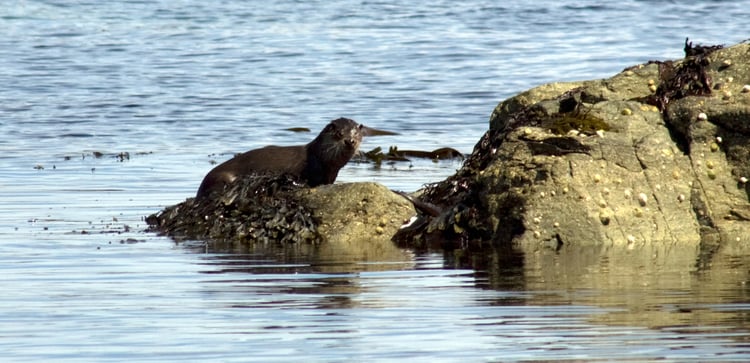
There are colonies of grey seals and they can be spotted all around the coast of the island. Otters are found along the eastern coast of the island and occasionally dolphins, porpoises and basking sharks can be seen further out to sea.